
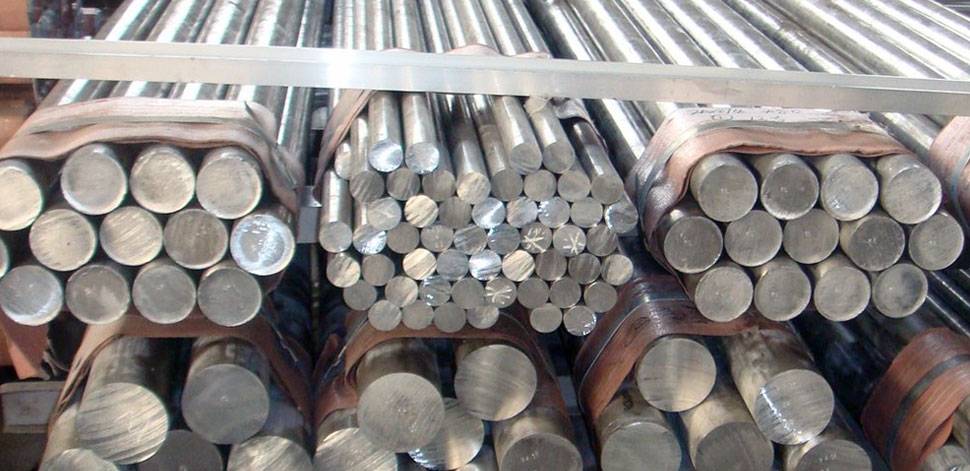
Aluminum Alloy Rods: Properties, Composition, Applications & the Future of Lightweight Steel Alternatives
Aluminum has been a go-to engineering steel for decades thanks to its remarkable characteristics—lightweight, corrosion-resistant, and highly formable. However, in its pure form, aluminum lacks the structural strength required for more demanding applications. That’s where aluminum alloy steel rods step in. Engineered for strength and durability, these rods are widely utilized across aerospace, construction, automotive, and marine sectors.
In this article, we’ll delve into the properties, composition, applications, and the growing significance of aluminum alloy rods as an advanced steel substitute in modern industries.
🔩 Key Properties of Aluminum Alloy Steel Rods
Aluminum alloy rods exhibit a range of impressive physical and mechanical characteristics, making them a versatile choice in various industrial applications. Their core properties include:
-
Exceptional strength-to-weight ratio
-
High corrosion resistance, even in marine or chemically aggressive environments
-
Good machinability and formability
-
Superior fatigue and creep resistance
-
Excellent thermal and electrical conductivity
-
Ease of welding and joining
These properties make aluminum alloy steel rods particularly beneficial in high-performance and weight-sensitive applications such as aircraft structures, automotive frames, and heavy-duty machinery parts.
⚙️ Composition of Aluminum Alloy Steel Rods
Aluminum alloy rods are engineered by combining aluminum with other strengthening steel-compatible elements to enhance structural integrity. Typically, they consist of:
-
Aluminum (≥95%) as the base metal
-
Magnesium, zinc, copper, manganese, silicon, or nickel as alloying elements (comprising ≤5%)
Each additive plays a specific role:
-
Magnesium & Silicon: Improve weldability and corrosion resistance
-
Zinc & Copper: Enhance strength and hardness
-
Manganese: Increases tensile strength
-
Nickel: Adds toughness and stability at elevated temperatures
By integrating these alloying elements, aluminum alloy rods become far more resilient and versatile than pure aluminum, giving them steel-like performance with a fraction of the weight.
🏭 Applications of Aluminum Alloy Rods in Steel-Equivalent Use Cases
Aluminum alloy steel rods are favored in sectors that demand high strength without the weight penalty of traditional steel. Common applications include:
-
Aerospace: Aircraft fuselages, wing structures, and landing gear components
-
Automotive: Suspension systems, chassis parts, and engine mounts
-
Construction: Lightweight framing systems, scaffolding, and structural supports
-
Marine: Deck hardware, hull reinforcements, and propeller shafts
-
Electronics: Electrical busbars and connectors due to excellent conductivity
-
Medical Equipment: Surgical instruments and structural supports in rehabilitation devices
-
Industrial Piping Systems: Especially in environments prone to corrosion
Because of their strength, resistance to corrosion, and formability, these rods often serve as a lightweight and cost-effective steel alternative across several engineering applications.
✅ Advantages of Aluminum Alloy Steel Rods
The unique benefits of aluminum alloy rods include:
-
Lightweight: Makes handling, transport, and installation more efficient
-
Durability: Long-lasting performance even in extreme environments
-
Corrosion Resistance: Perfect for outdoor, marine, and chemical use
-
Cost-Effective: Lower maintenance and life cycle costs compared to conventional steel
-
Sustainability: Aluminum is highly recyclable, contributing to a lower carbon footprint
These advantages position aluminum alloy rods as a future-forward option for industries seeking efficiency without sacrificing performance.
🔮 The Future of Aluminum Alloy Rods in Steel-Critical Industries
With the global shift toward lighter, more energy-efficient materials, the demand for aluminum alloy rods is expected to surge. Continued R&D is leading to even stronger and more corrosion-resistant grades—further expanding their role in electric vehicle production, green building technologies, and renewable energy infrastructure.
Moreover, as industries move away from heavy, traditional carbon steel, aluminum alloys are becoming vital components in designs where weight reduction is directly linked to performance and fuel efficiency.
🏁 Conclusion
Aluminum alloy steel rods combine the best of both worlds—steel-like strength with aluminum’s lightweight nature and corrosion resistance. Their adaptability across sectors like aerospace, automotive, marine, and construction makes them a cornerstone in modern engineering.
As technology and sustainability demands evolve, aluminum alloy rods are set to play an even more prominent role in replacing heavier steels—proving that lighter can indeed be stronger.