
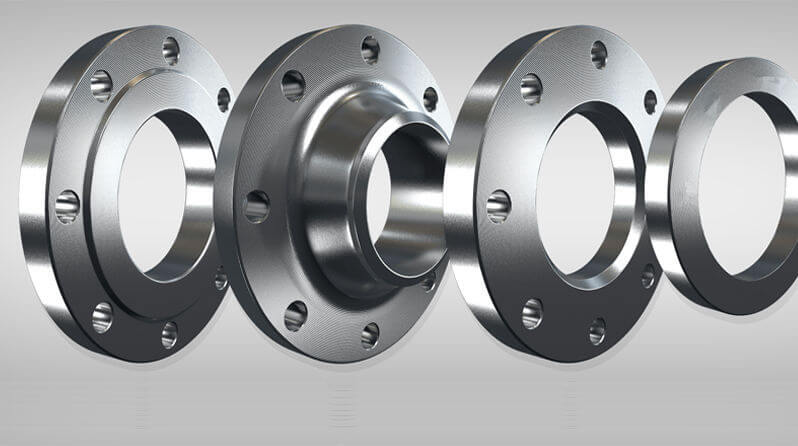
Why Forged Stainless Steel Flanges Are the Smart Choice for Industrial Strength and Flexibility
If you’re in the market for a flexible steel component that offers outstanding corrosion resistance and long-term reliability, forged stainless steel flanges are a top contender. These robust fittings are widely used across critical sectors such as construction, engineering, oil and gas, and manufacturing—where performance under pressure is non-negotiable.
In this post, we’ll dive into the core benefits of forged stainless steel flanges, helping you determine if they’re the right fit for your application. From exceptional strength and corrosion resistance to long-term cost savings, these components offer more than meets the eye.
🔩 What Are Stainless Steel Flanges Used For?
Stainless steel flanges are essential connectors that join pipes, valves, pumps, and other equipment in piping systems. Forged versions of these flanges are preferred for high-demand environments because they combine the mechanical strength of forged steel with the chemical resistance of stainless alloys. Common in oil refineries, water treatment plants, and chemical processing, these flanges ensure reliable, leak-free connections—even under extreme conditions.
⚙️ Advantages of Forged Stainless Steel Flanges
1. Superior Strength and Durability
Forged stainless steel flanges are engineered for strength. The forging process involves heating a stainless steel billet and shaping it under extreme pressure, resulting in a component with a refined grain structure and improved mechanical integrity.
Compared to cast or machined flanges, forged versions boast:
-
Higher tensile and yield strength
-
Better fatigue resistance
-
Enhanced toughness under high-pressure environments
-
Reduced risk of cracking and failure over time
These properties make them indispensable in applications that require heavy-duty performance under dynamic loads.
2. Exceptional Corrosion Resistance
Thanks to their high chromium and nickel content, forged stainless steel flanges exhibit excellent corrosion resistance in even the harshest environments—including exposure to saltwater, acidic media, and high humidity.
This makes them ideal for:
-
Marine applications
-
Offshore platforms
-
Chemical plants
-
High-moisture processing facilities
Additional surface treatments such as anodizing or electroplating can further enhance resistance to pitting, oxidation, and stress corrosion cracking.
3. Versatility in Design and Application
Few steel components are as adaptable as stainless steel flanges. Available in a wide range of grades (such as 304, 316, and 321), pressure classes, and connection types (weld neck, slip-on, blind, threaded), they can be tailored for nearly any piping configuration.
Their versatility extends to:
-
Compatibility with high and low temperature systems
-
Tolerance of extreme pressure fluctuations
-
Custom shapes and dimensions for specialized assemblies
Whether you’re designing for an industrial pipeline or a specialized process system, stainless steel flanges offer flexibility and precision.
4. Low Maintenance and Long Service Life
Forged stainless steel flanges require minimal upkeep. Unlike other steel or alloy components that may rust, degrade, or require protective coatings, these flanges retain their integrity with minimal intervention.
Benefits include:
-
Reduced downtime for maintenance
-
No need for frequent replacement
-
Reliable performance over decades of use
This low-maintenance profile makes them an attractive choice for cost-conscious operations where reliability is critical.
5. Cost-Effective Over Time
While the initial cost of stainless steel flanges may be higher than other steel or alloy options, the return on investment is significant. Their durability, corrosion resistance, and minimal maintenance needs translate to lower lifecycle costs and fewer disruptions.
This makes them especially economical for:
-
Long-term infrastructure projects
-
Hazardous environments
-
Systems requiring minimal maintenance access
🧰 Common Applications of Forged Stainless Steel Flanges
-
Oil & gas pipelines
-
Petrochemical refineries
-
Desalination plants
-
HVAC systems
-
Pharmaceutical and food-grade piping
-
Power generation facilities
-
Fire protection systems
In each of these applications, forged stainless steel flanges ensure structural integrity, leak prevention, and a long operating lifespan.
✅ Conclusion: Strength, Versatility, and Value in Every Flange
Forged stainless steel flanges offer an unmatched combination of mechanical strength, corrosion resistance, and design versatility. Whether your system operates under high pressure, extreme temperatures, or corrosive environments, these flanges provide a reliable and long-lasting solution.
When your operation demands dependable performance, minimal maintenance, and long-term cost savings, forged stainless steel flanges are the clear choice.