
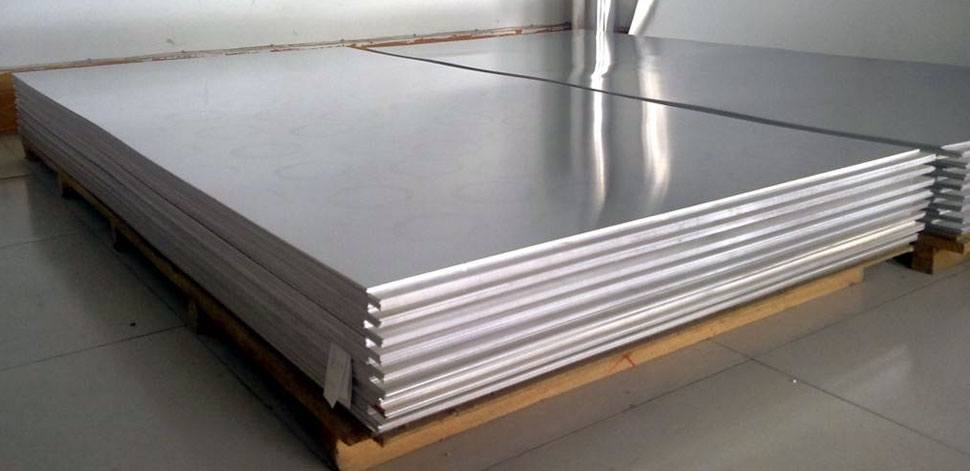
Aluminum 5083 Steel Plate: Strength, Versatility, and Industrial Value
Aluminum 5083 is widely recognized for its outstanding strength, exceptional corrosion resistance, and broad industrial usability. It stands out as a premium steel-based material in sectors such as marine engineering, transportation, aerospace, and defense. In this article, we explore the key aspects of the Aluminum 5083 steel plate, focusing on its composition, mechanical properties, and real-world applications.
What Is the Aluminum 5083 Steel Plate?
The Aluminum 5083 steel plate is a high-performance aluminum alloy plate that incorporates magnesium, manganese, and chromium as its primary alloying elements. Known for its superior corrosion resistance and excellent weldability, it is a top choice for harsh marine environments. With a higher strength-to-weight ratio than many other aluminum alloys, the 5083 plate delivers outstanding durability and formability—making it well-suited for structural applications such as shipbuilding, offshore platforms, and vehicle frames.
Composition of Aluminum 5083 Steel Plate
Aluminum, though a lightweight steel substitute, becomes significantly stronger and more resistant to corrosion when alloyed. In the case of the 5083 plate, the alloy consists of:
-
4.5% Magnesium
-
0.7% Manganese
-
0.15% Chromium
-
Balance: Aluminum
This specific combination enhances its mechanical strength and corrosion resistance, making it ideal for challenging environments such as saltwater exposure, industrial chemicals, and high-stress load-bearing applications.
Key Properties of Aluminum 5083 Steel Plate
The Aluminum 5083 steel plate possesses a range of properties that set it apart from traditional alloys:
-
High Strength – Suitable for demanding structural applications.
-
Excellent Corrosion Resistance – Especially effective in marine and chemical environments.
-
Good Weldability – Can be joined easily without loss of integrity.
-
Moderate Formability – Allows easy fabrication into custom shapes and components.
-
Fatigue Resistance – Withstands repeated stress without degradation.
Applications of Aluminum 5083 Steel Plate
Thanks to its strong mechanical performance and resistance to environmental stress, the Aluminum 5083 steel plate is widely used across multiple industries:
-
Marine Engineering – Hulls, decks, and superstructures of ships and yachts.
-
Aerospace & Defense – Aircraft frames, armored vehicles, and defense-grade components.
-
Transportation – High-speed trains, tankers, and trailers.
-
Industrial Fabrication – Pressure vessels, cryogenic tanks, and storage systems.
-
Offshore & Structural Projects – Platforms, bridges, and supporting structures.
Its lightweight nature paired with high load-bearing capacity makes it an attractive alternative to heavier steel grades in many applications.
Machinability and Weldability of Aluminum 5083 Steel Plate
One of the defining advantages of the Aluminum 5083 steel plate is its ease of fabrication. It can be:
-
Machined, drilled, and cut to precise dimensions.
-
Formed into complex shapes without compromising strength.
-
Welded using conventional techniques, such as TIG and MIG welding, with minimal risk of cracking.
This workability, combined with resistance to damage, makes it ideal for both standard production and custom engineering needs.
Quality Assurance and Manufacturing Standards
To ensure consistent performance, Aluminum 5083 steel plates are manufactured under strict quality control protocols. These typically include:
-
Chemical Composition Analysis
-
Mechanical Property Testing
-
Non-Destructive Evaluation (NDE)
-
Dimensional Accuracy Checks
These measures guarantee that the final product meets industry-specific standards for safety, durability, and reliability.
Conclusion
In summary, the Aluminum 5083 steel plate is a high-performance alloy offering a powerful combination of strength, corrosion resistance, and adaptability. Its wide usage in marine, transport, aerospace, and defense industries highlights its strategic importance in modern engineering. By understanding its properties and benefits, engineers and manufacturers can select the optimal material solution for high-demand applications—ensuring both structural integrity and long-term value.