
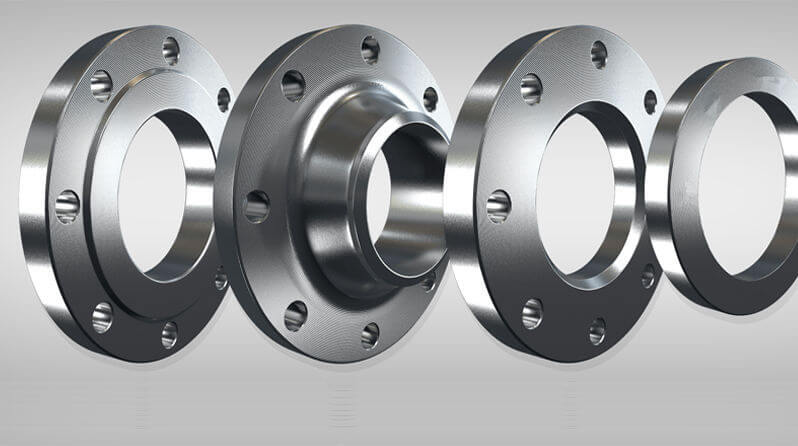
Expert Guide to Forged Stainless Steel Flanges: Strength, Performance & Reliability
Forged stainless steel flanges are essential components in critical piping systems across industries like oil and gas, petrochemicals, power generation, and water treatment. When superior strength, corrosion resistance, and durability are required, forged stainless steel is the premium choice over cast alternatives.
This expert guide covers everything you need to know about forged stainless steel flanges—from their benefits and types to selection tips and maintenance best practices.
🔧 What Are Forged Stainless Steel Flanges?
Forged stainless steel flanges are heavy-duty steel connectors used to join sections of pipe, valves, pumps, or equipment in a piping system. They are manufactured by heating and forging high-quality stainless steel—typically grades like 304 or 316—into shape using compressive force. This method eliminates internal defects, resulting in a dense, uniform grain structure that provides exceptional strength and fatigue resistance.
Their robust construction allows them to handle high-pressure and high-temperature environments without compromising on sealing integrity or structural performance.
✅ Benefits of Forged Stainless Steel Flanges
Forged stainless steel flanges deliver a range of advantages that make them ideal for demanding industrial applications:
-
Exceptional Corrosion Resistance: The high chromium and nickel content in stainless steel makes these flanges highly resistant to moisture, chemicals, and harsh atmospheric conditions.
-
Superior Strength & Toughness: Forging enhances the mechanical properties of the steel, allowing these flanges to endure high pressure and mechanical stress.
-
High-Temperature Tolerance: They retain their structural integrity even at elevated temperatures, making them suitable for steam, gas, and high-heat process lines.
-
Improved Fatigue Life: Perfect for applications with cyclic loading, where repeated pressure fluctuations occur.
-
Leak-Free Connections: Precision machining ensures tight, secure seals that minimize leakage risks.
🔩 Types of Forged Stainless Steel Flanges
Depending on your application, several types of forged stainless steel flanges are available:
-
Weld Neck Flanges (WN): Best for high-pressure systems; their tapered neck offers added strength and stress distribution.
-
Slip-On Flanges (SO): Easy to install; ideal for low-pressure pipelines.
-
Blind Flanges (BL): Used to seal off pipe ends or isolate sections for maintenance.
-
Socket Weld Flanges (SW): Designed for small-diameter, high-pressure piping.
-
Threaded Flanges (NPT): Useful for low-pressure, non-welded connections.
-
Lap Joint Flanges (LJ): Paired with stub ends for systems requiring frequent dismantling.
-
Plate Flanges / Flat Flanges: Economical and used in low-pressure applications.
Each type offers different performance characteristics. Selecting the right style depends on your system’s pressure rating, temperature range, and flow requirements.
🛠 How to Choose the Right Forged Stainless Steel Flange
When selecting a forged stainless steel flange, consider these key factors:
-
Application Requirements: Know whether your system will face high pressure, temperature, or corrosive media.
-
Flange Size & Thickness: Ensure compatibility with the pipe size and flow volume.
-
Material Grade: Choose the appropriate stainless steel grade (e.g., 304, 316) based on corrosion resistance needs.
-
Pressure Class: Check ANSI/ASME pressure ratings (e.g., Class 150, 300, 600, etc.).
-
Connection Type: Match flange type (weld neck, blind, threaded) to system layout and maintenance needs.
Always verify material certifications and industry standards compliance before procurement.
🧽 Care and Maintenance Tips
To extend the service life and maintain the performance of your forged stainless steel flanges:
-
Inspect regularly for signs of wear, corrosion, or gasket degradation.
-
Clean surfaces before installation to prevent contamination.
-
Avoid over-torquing during assembly—follow torque guidelines from the manufacturer.
-
Use appropriate gaskets for the medium (e.g., PTFE, graphite, or spiral wound).
-
Tighten bolts gradually in a cross-pattern to ensure even sealing pressure.
-
Re-check torque after a few hours of operation in high-temperature or high-pressure systems.
Routine maintenance helps prevent leaks, preserves sealing integrity, and minimizes downtime.
🧾 Conclusion
Forged stainless steel flanges are a high-performance, dependable choice for industrial systems that demand strength, precision, and resistance to extreme conditions. Their forged structure makes them superior to cast flanges in both mechanical integrity and service life.
Whether you’re operating a chemical plant, power station, or offshore drilling platform, choosing the right flange type—and maintaining it properly—will enhance your system’s safety, efficiency, and longevity.