
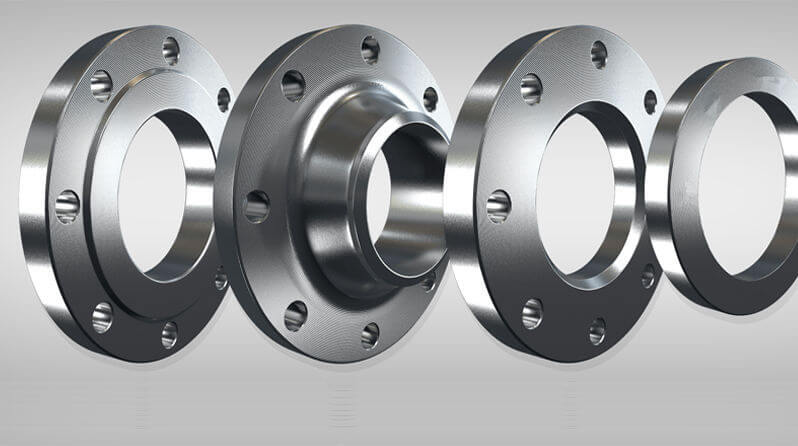
The Ultimate Guide to Stainless Steel Weld Neck Flanges: Strength, Performance & Reliability
Are you in search of a weld neck flange that can handle high-pressure systems without compromise? Are you focused on durability and efficiency, especially in low-temperature or corrosive environments? If so, investing in stainless steel weld neck flanges might be the perfect solution.
Stainless steel has long been regarded as one of the most reliable steel materials in engineering — not just for architectural railings or sculptures but more critically, in heavy-duty industrial applications such as pipeline systems, chemical plants, and power generation.
In this comprehensive guide, we’ll dive into everything you need to know about stainless steel weld neck flanges — from their structural advantages and common uses to selection tips and maintenance advice. Let’s explore why these steel components are a top choice for demanding projects.
🔧 Applications of Stainless Steel Weld Neck Flanges
Stainless steel weld neck flanges are engineered for critical applications requiring superior strength, leak-proof sealing, and resistance to both pressure and temperature extremes. These flanges are widely used in:
-
Industrial piping systems for oil, gas, water, steam, and chemicals
-
Power plants and refineries
-
Food processing and pharmaceutical facilities
-
Shipbuilding and marine applications
Their long tapered neck allows for a smooth transition from flange to pipe, reducing stress concentration and making them perfect for high-pressure and high-temperature systems.
✅ Key Advantages of Stainless Steel Weld Neck Flanges
These flanges offer a range of benefits that distinguish them from other steel fitting types:
-
Superior Corrosion Resistance: Thanks to the chromium-rich composition of stainless steel, these flanges can resist oxidation and chemical attack — ideal for harsh and wet environments.
-
High Pressure & Temperature Tolerance: The beveled neck allows for full-penetration welds, creating a robust joint capable of withstanding extreme operational loads.
-
Leak-Proof Sealing: The raised face or ring-type joint (RTJ) surfaces offer excellent gasket compression, preventing leaks even under fluctuating pressures.
-
Long-Term Durability: Compared to other steel materials, stainless steel weld neck flanges retain structural integrity over time with minimal degradation.
-
Low Maintenance: These flanges require little upkeep while offering exceptional longevity.
🛠 Types of Stainless Steel Weld Neck Flanges
Weld neck flanges are categorized by pressure class and flange face type. The most common steel flange ratings include:
-
Class 150 – Suitable for light-duty systems, rated up to 285 psi
-
Class 300 – Mid-range strength, up to 740 psi
-
Class 600 – Heavy-duty use, supporting up to 1,140 psi
These flanges are available in raised face (RF) and full-face options, depending on your sealing and connection requirements.
Material Grades:
-
304L Stainless Steel – Great for general-purpose use, offering corrosion resistance and affordability
-
316L Stainless Steel – Preferred for chemical and marine environments due to its enhanced resistance to chlorides and chemicals
🧽 Maintenance Tips for Long-Lasting Performance
Maintaining your stainless steel weld neck flanges ensures system integrity and safety:
-
Clean the weld zone thoroughly after installation to prevent rust formation
-
Inspect seals (gaskets or O-rings) periodically and replace if damaged
-
Check and retighten bolts regularly to prevent leaks under pressure
-
Visually inspect for surface defects such as cracks, dents, or corrosion
Proper care helps maintain performance and extend service life in even the harshest operating environments.
🧾 Conclusion: Why Choose Stainless Steel Weld Neck Flanges?
Stainless steel weld neck flanges are vital components in high-pressure, high-temperature piping systems. Their strength, sealing capability, and resistance to corrosion make them indispensable in many industrial sectors. With minimal maintenance and exceptional longevity, these flanges deliver steel-grade performance where it counts most.
When selecting a flange for your project, be sure to consider:
-
Required pressure and temperature ratings
-
Environmental exposure
-
Material compatibility
-
Flange face type and weldability
By investing in the right flange from the start, you ensure the long-term reliability and safety of your entire system.