
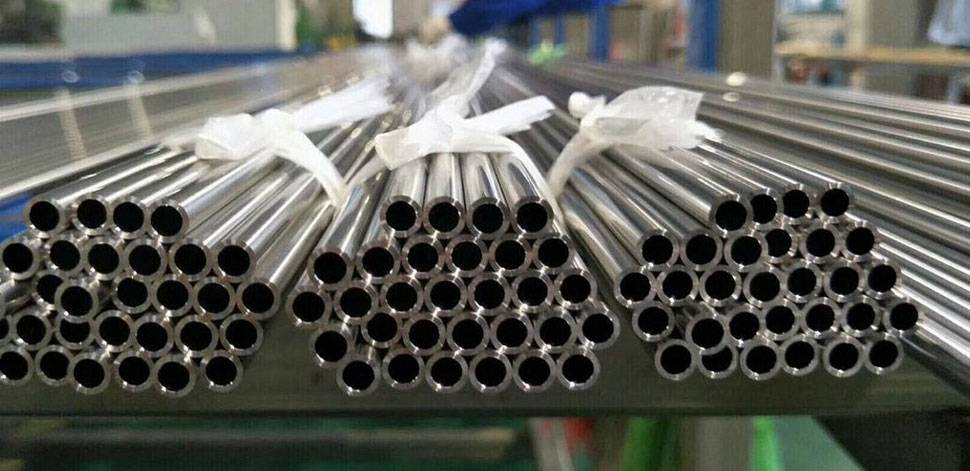
How to Select the Right Duplex UNS S31803 Steel for Your Project
Duplex UNS S31803 steel is a premium-grade stainless steel alloy valued for its high strength and excellent corrosion resistance. It is widely used in petrochemical, oil and gas, and chemical processing industries, where materials must withstand harsh operating environments. However, selecting the most suitable form of this duplex steel for your specific application requires careful evaluation of several key factors.
In this guide, we’ll walk you through the essential considerations for choosing the right Duplex UNS S31803 stainless steel for your project.
What Is Duplex UNS S31803 Steel?
Duplex UNS S31803 is a ferritic-austenitic stainless steel alloy, primarily composed of chromium, nickel, molybdenum, and nitrogen. Compared to conventional stainless steel grades like 304 or 316, this duplex steel offers significantly enhanced corrosion resistance and mechanical strength. It provides nearly double the tensile strength of grade 304 stainless steel, allowing for thinner yet more robust components.
Available in various forms—such as plates, sheets, bars, tubes, and especially seamless pipes—this alloy is favored for applications requiring durability, wear resistance, and resistance to oxidation in aggressive environments. When heat-treated correctly, Duplex UNS S31803 steel performs reliably in marine environments, chemical processing, and high-stress installations.
Key Factors to Consider When Selecting Duplex UNS S31803 Steel
1. Evaluate Environmental Conditions
The first step is understanding the specific environmental conditions your application will encounter. While Duplex UNS S31803 steel is resistant to general corrosion, certain extreme environments—especially those containing high chloride concentrations—can pose a risk of pitting and crevice corrosion.
If your project involves exposure to saltwater, brine, or chemical-laden atmospheres, ensure that the grade you select is tested and certified for those corrosive conditions.
2. Assess Mechanical Properties
The mechanical performance of Duplex UNS S31803 steel can vary depending on processing and form. Consider the following core properties:
-
Tensile strength
-
Yield strength
-
Elongation (ductility)
These metrics determine how well the steel will perform under static loads, impact, and cyclic stress. Choose specifications that align with the operational demands of your equipment or structure.
3. Check for Material Defects
Defects such as porosity, inclusions, or segregation can compromise both the corrosion resistance and mechanical integrity of duplex steel. Therefore, ensure the material has undergone rigorous quality control testing, including:
-
Visual inspection
-
Ultrasonic testing
-
Chemical composition analysis
A defect-free base material translates to more consistent performance and longer service life.
4. Understand the Manufacturing Process
How the steel is manufactured significantly affects its final characteristics. Duplex UNS S31803 is typically formed through:
-
Hot forming – Deforming steel at elevated temperatures, ideal for complex shapes
-
Cold forming – Deforming at ambient temperatures, often used when tight tolerances or smoother finishes are required
The right forming method depends on the application’s tolerances, shape complexity, and end-use temperature conditions.
5. Choose a Reliable Steel Supplier
Perhaps most importantly, source your Duplex UNS S31803 steel from a trusted supplier with a proven track record. A reputable supplier will:
-
Provide mill test certificates and material traceability
-
Offer custom dimensions based on your project requirements
-
Maintain consistent quality assurance standards
Avoid low-cost suppliers that cannot guarantee adherence to international specifications or provide documentation.
Conclusion
Choosing the right Duplex UNS S31803 stainless steel for your project is vital to ensuring long-term success, durability, and safety. By evaluating key factors such as environmental exposure, mechanical requirements, potential defects, manufacturing processes, and supplier credibility, you can make a well-informed selection that meets your operational and structural needs.
Armed with this guide, you are now better prepared to select the most appropriate form and grade of Duplex UNS S31803 steel—whether for offshore platforms, chemical plants, or pressure vessels—ensuring high performance in even the most demanding conditions.